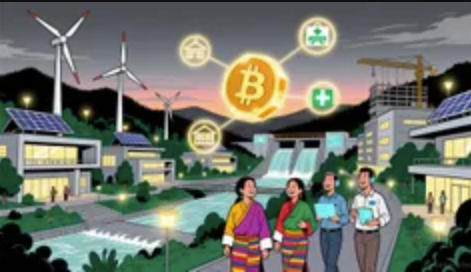
The blockchain-driven digital asset economy hinges on tokenized value and programmable rules across interoperable networks. It emphasizes verifiable scarcity, provenance, and transparent governance. Infrastructure—wallets, standards, scalability—must be resilient and modular to enable secure cross-chain movement. Compliance, risk, and data sovereignty shape trust as markets evolve. The result is an open, auditable system with practical constraints and tradeoffs, inviting further examination of how policy, technology, and incentives align to sustain growth.
What Is the Blockchain-Driven Digital Asset Economy?
The blockchain-driven digital asset economy encompasses systems where digital assets—tokens, currencies, and tokenized rights—are created, transferred, and managed on decentralized ledgers.
It enables digital assets to flow across distributed ledgers with transparency and programmable rules.
Governance models, token economics, and data sovereignty shape ownership, interoperability, and value, while non fungible tokens and scalable architectures expand freedom and practical trust within open ecosystems.
How Tokenization Unlocks Verifiable Scarcity and Provenance
Tokenization reframes scarcity and provenance by binding value to verifiable digital records rather than physical instances; this enables precise, tamper-evident tracking of ownership, origin, and history across distributed ledgers.
The approach unlocks verifiable scarcity while enabling scalable provenance tracking, yet surfaces tokenization challenges, such as standardization, legal clarity, and cross-chain interoperability, demanding disciplined governance and transparent, auditable processes for freedom-driven markets.
Building the Infrastructure: Wallets, Standards, and Scalability
How can a reliable digital economy be scaled without a cohesive infrastructure of wallets, standards, and scalability solutions? A pragmatic blueprint emerges: standardized interfaces, resilient wallet security, and interoperable protocols enable trusted asset movement.
Systematic layering supports cross chain interoperability, modular upgrades, and scalable consensus. Visionaries demand freedom through robust, secure infrastructure that harmonizes innovation with governance, ensuring inclusive participation and durable growth.
Navigating Compliance, Regulation, and Risk in Tokenized Markets
Navigating compliance, regulation, and risk in tokenized markets demands a systematic framework that aligns innovative asset models with governance and accountability. This approach envisions scalable controls, risk-aligned transparency, and adaptive oversight, enabling resilient growth. It emphasizes privacy preservation and practical data minimization, while enabling cross border operations through harmonized standards, interoperable protocols, and clear liability. Freedom-oriented rigor sustains trust, efficiency, and sustainable innovation.
Frequently Asked Questions
How Do Tokens Impact Traditional Financial Markets and Pricing Mechanisms?
Tokenized liquidity reshapes traditional markets by enriching market microstructure with granular pricing signals, enabling seamless cross-asset arb opportunities. It introduces transparency, lowers frictions, and invites systematic risk controls while preserving freedom to innovate and adapt.
See also: Ethical Hacking Explained
What Governance Models Best Sustain Long-Term Tokenized Ecosystems?
Effective governance models balance governance incentives with transparent checks, ensuring long-term tokenized ecosystems remain adaptive; systematic fund allocation and milestone-based ecosystem funding align stakeholders, while visionary incentives sustain freedom, resilience, and iterative improvement across decentralized networks.
Can Tokenized Assets Be Insured and How Would Coverage Work?
Yes, tokenized assets can be insured; coverage mechanics hinge on objective risk pools, transparent underwriting, and on-chain verification. Tokenized insurance enables modular policies, collateralized claims, and auditable payout flows, aligning with freedom-seeking participants and systematic risk management.
What Are Practical Case Studies Bridging Real-World Assets and Blockchains?
Case studies illustrate bridging real world assets with blockchains via tokenization platforms, collateralized lending, and syndicated securitizations. Practical implementations show asset tokenization enabling liquidity, programmability, and transparent settlement—progress toward a freer, interoperable financial system.
How Do Privacy and Data Rights Operate in Tokenized Economies?
Privacy and data rights in tokenized economies rely on privacy nets and robust data portability, enabling individuals to control visibility and reuse. Systematically designed protocols grant empowered participation, balancing transparency with consent, while preserving freedom for ongoing innovation and value exchange.
Conclusion
In this ledgered paradise, everything is tokenized—including our trust. Ironically, the more systems promise openness, the more micromanagement they require: standards, audits, compliance, risk-aware growth. Yet the vision endures—interoperable rails, verifiable scarcity, and auditable provenance, enabling scarce digital value to move with entrusted speed. If governance learns to balance openness with prudent restraint, the economy becomes less a cage of rules and more a toolkit for responsible imagination. The paradox yields progress.