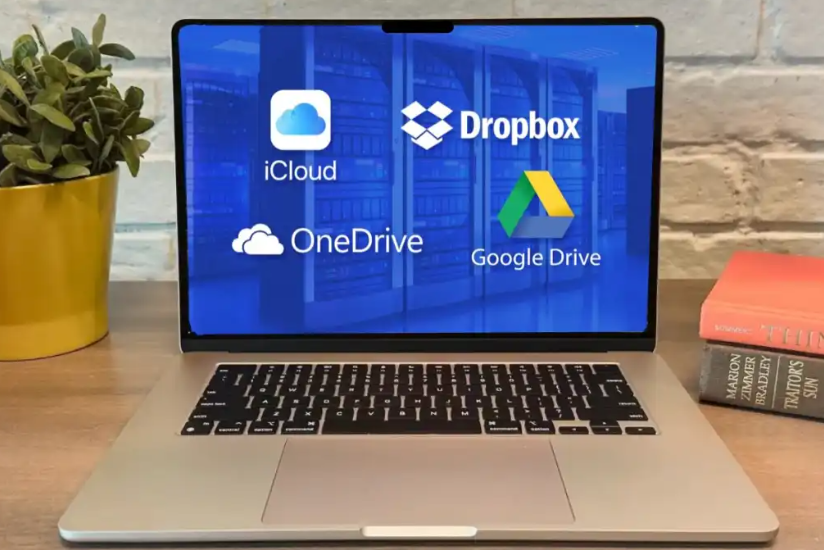
As data becomes the backbone of nearly every business and personal activity, the question of where to store it safely is more important than ever. In 2026, organizations and individuals alike are weighing the pros and cons of cloud storage vs local storage, especially when it comes to security.
With cyber threats becoming more sophisticated and data regulations tightening globally, choosing the right storage solution isn’t just a technical decision, it’s a strategic one. So, which option truly offers better data security today? Let’s break it down.
Understanding Cloud Storage
Cloud storage refers to saving data on remote servers managed by third-party providers. These servers are accessed via the internet and maintained by companies like Google, Amazon, and Microsoft.
Key Benefits of Cloud Storage
1. Advanced Security Infrastructure
Cloud providers invest heavily in security technologies, including encryption, firewalls, and intrusion detection systems often at a level individual users or small businesses can’t afford.
2. Automatic Updates and Patching
Security vulnerabilities are continuously monitored and patched without requiring user intervention.
3. Data Redundancy and Backup
Cloud systems store multiple copies of your data across different locations, reducing the risk of data loss.
Potential Risks
- Data breaches targeting large cloud providers
- Dependence on internet access
- Concerns over third-party control and privacy
Understanding Local Storage
Local storage involves keeping data on physical devices such as hard drives, SSDs, or on-premise servers. This gives users direct control over their data.
Key Benefits of Local Storage
1. Full Control Over Data
You decide how data is stored, accessed, and protectedwithout relying on external providers.
2. No Internet Dependency
Data can be accessed anytime, even without an internet connection.
3. Lower Exposure to External Threats
Since data isn’t constantly online, it may be less vulnerable to remote cyberattacks.
Potential Risks
- Physical damage (fire, theft, hardware failure)
- Limited backup unless manually managed
- Higher responsibility for security maintenance
Security Comparison: Cloud vs Local Storage
When it comes to data security in 2026, the debate isn’t black and white. Each option has strengths and weaknesses depending on the use case.
1. Data Encryption
- Cloud Storage: Typically offers end-to-end encryption both in transit and at rest.
- Local Storage: Encryption depends on user implementation.
Winner: Cloud (for most users)
2. Threat Detection and Response
- Cloud Storage: Uses AI-driven monitoring systems to detect unusual activity in real time.
- Local Storage: Relies on manually installed antivirus and monitoring tools.
Winner: Cloud
3. Physical Security
- Cloud Storage: Data centers are protected with advanced surveillance, biometric access, and strict protocols.
- Local Storage: Vulnerable to theft, accidents, or environmental damage.
Winner: Cloud
4. Control and Privacy
- Cloud Storage: Data is managed by third parties, which may raise privacy concerns.
- Local Storage: Full control remains with the user or organization.
Winner: Local
5. Backup and Recovery
- Cloud Storage: Automated backups and quick disaster recovery options.
- Local Storage: Requires manual backups and recovery planning.
Winner: Cloud
See also: Blockchain-Driven Digital Asset Economy
The Rise of Hybrid Storage Solutions
In 2026, many businesses are no longer choosing one over the otherthey’re combining both through hybrid storage solutions.
This approach allows:
- Sensitive data to remain on local servers
- Less critical data to be stored in the cloud
- Improved flexibility and layered security
Interestingly, just like a well-balanced brochure design, where visuals and text must complement each other, a hybrid storage strategy blends the strengths of both systems to create a more secure and efficient solution.
Key Security Trends in 2026
To make the right decision, it’s important to understand the current trends shaping data security.
1. Zero Trust Architecture
Organizations are adopting a “never trust, always verify” model, especially in cloud environments.
2. AI-Powered Cybersecurity
Machine learning is being used to predict and prevent cyberattacks before they happen.
3. Data Sovereignty Regulations
Countries are enforcing stricter rules about where and how data is stored, influencing cloud adoption.
4. Increased Ransomware Attacks
Both cloud and local systems are targets, making backups and encryption essential.
Actionable Insights: Choosing the Right Option
Here’s how to decide what works best for your needs:
Choose Cloud Storage If You:
- Want automated security and updates
- Need scalable storage solutions
- Don’t have a dedicated IT security team
Choose Local Storage If You:
- Require full control over sensitive data
- Operate in a highly regulated industry
- Prefer offline access and independence
Choose Hybrid Storage If You:
- Want the best of both worlds
- Handle a mix of sensitive and non-sensitive data
- Need flexibility and redundancy
Final Verdict: Which Is Better in 2026?
For most users and businesses in 2026, cloud storage offers stronger overall security due to its advanced infrastructure, automation, and continuous monitoring.
However, local storage still plays a crucial role in situations where control, privacy, and compliance are top priorities.
The real winner? A hybrid approach that combines cloud efficiency with local control.
Conclusion
The cloud vs local storage debate isn’t about choosing a single winnerit’s about understanding your needs and risk tolerance. As cyber threats evolve, so should your data strategy.
By leveraging modern technologies, staying informed about security trends, and adopting a balanced approach, you can ensure your data remains safe, accessible, and future-proof in 2026 and beyond.